
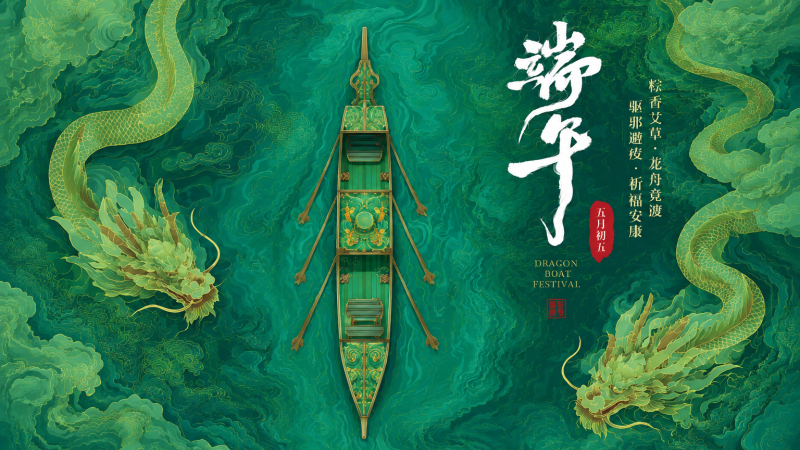
In Singapore and across Southeast Asia, the Dragon Boat Festival is widely known for zongzi, dragon boat races, and family gatherings. For many people, it is a seasonal cultural festival. Within Taoist tradition, however, Duanwu is also understood as an important moment of seasonal protection, purification, and energetic renewal.
The fifth day of the fifth lunar month arrives during a period of strong heat, humidity, and rising Yang energy. In classical Chinese seasonal thinking, this moment was associated with both vitality and imbalance. That is why many Dragon Boat Festival customs developed around cleansing the home, wearing protective threads, using aromatic plants, and carrying symbolic objects.
This guide explains Dragon Boat Festival protection through Taoist cosmology, the Five Elements, seasonal Yang energy, cinnabar symbolism, and the traditional meaning of red cord. For a broader introduction to Taoist protection culture, you can also read Taoist Protective Amulets & Talismans: A Complete Guide.
Quick Answer
In Taoist tradition, Dragon Boat Festival protection is not simply folk superstition. It reflects an older understanding of seasonal energy, Yin-Yang balance, and the Five Elements. The fifth lunar month is associated with intense Yang movement, heat, humidity, and instability. Cinnabar and red cord became important protective symbols because both are connected with Fire, vitality, purification, and the strengthening of personal intention.
Questions This Guide Answers
- Why is the Dragon Boat Festival connected with protection in Taoist culture?
- What does the “Poison Month” mean in traditional Chinese seasonal theory?
- How do the Five Elements explain Duanwu protection customs?
- Why are cinnabar and red cord used during seasonal protection practices?
- How can modern readers understand these traditions without treating them as superstition?
What Is the Dragon Boat Festival in Taoist Cosmology?
The Dragon Boat Festival, also known as Duanwu, takes place on the fifth day of the fifth lunar month. In many modern communities, it is remembered through dragon boat racing and rice dumplings. Yet in Taoist culture, the timing of the festival is just as important as the customs themselves.
The fifth lunar month falls near a period of strong summer energy. Yang Qi rises, heat intensifies, and the natural world becomes more active. From a Taoist perspective, this kind of seasonal transition can create both opportunity and instability.
Protection during Duanwu is therefore not about fear. It is about using seasonal awareness to restore balance. Taoist protection begins with the idea that human beings are connected to the rhythms of Heaven, Earth, time, and environment.
This is the same worldview behind traditional evil-warding theory. To understand that framework more deeply, see The Logic of Taoist Evil-Warding: Dao, Yin Yang, Jing Qi Shen.
Why Was the Fifth Lunar Month Called the “Poison Month”?
In Chinese tradition, the fifth lunar month was sometimes called the “Poison Month.” The phrase can sound dramatic to modern readers, but it is best understood through seasonal observation.
In premodern life, this period brought rising temperatures, humidity, insects, spoiled food, and greater risk of illness. The environment became active, unstable, and difficult to regulate. Taoist and Chinese folk traditions interpreted these seasonal pressures through the language of Qi, Yin-Yang, and Five Elements balance.
Rather than seeing the “Poison Month” as a literal curse, it is more accurate to understand it as a traditional way of describing seasonal excess. Heat, dampness, restlessness, and stagnation were all believed to require careful regulation.
This is why Duanwu customs often include cleansing, hanging aromatic herbs, wearing red cords, and using symbolic protection objects. These practices mark a seasonal reset.
The Five Elements Theory Behind Dragon Boat Festival Protection
The Five Elements, or Wu Xing, are one of the foundations of Chinese cosmology. They describe patterns of transformation rather than simple physical materials.
- Wood represents growth, renewal, and upward movement.
- Fire represents heat, brightness, expansion, and activity.
- Earth represents stability, nourishment, and central balance.
- Metal represents structure, clarity, and contraction.
- Water represents depth, cooling, storage, and stillness.
Duanwu falls during a time when Fire qualities are especially prominent. Fire is not negative by itself. It represents vitality, courage, warmth, and illumination. However, excessive Fire can also create restlessness, agitation, impatience, and imbalance.
Dragon Boat Festival protection customs can therefore be understood as a way to regulate Fire energy. The goal is not to eliminate Yang energy, but to guide it, stabilize it, and prevent excess from becoming disorder.
This Five Elements approach also explains why certain materials became important in protective traditions. Peach wood, cinnabar, and red cord each carry symbolic relationships to seasonal vitality and protection. For wood-based protection symbolism, see Divinely Blessed Wood: Lei Ji Mu and Taoist Protection.
How Taoist Protection Differs from Folk Superstition
Many Dragon Boat Festival customs are sometimes dismissed as superstition. This usually happens when people look only at the surface form of the practice, without understanding the cosmology behind it.
In Taoist thought, protection is not based on panic or fear. It is based on harmony.
When Yin and Yang are balanced, Qi flows smoothly. When seasonal forces become excessive or stagnant, traditional practices help people mark the change, cleanse their space, and renew their intention.
A red cord, a cinnabar bracelet, a peach wood charm, or a talisman pouch is not meaningful simply because it is an object. Its meaning comes from the symbolic system it belongs to: Yin-Yang, the Five Elements, seasonal timing, and the relationship between human life and natural cycles.
Why Cinnabar Became a Symbol of Yang Energy
Cinnabar has a long and complex role in Taoist culture. It appears in alchemical symbolism, talismanic writing, ritual seals, and protective objects. Within traditional Taoist symbolism, cinnabar is associated with Fire, brightness, transformation, and spiritual focus.
Because Duanwu is connected with strong seasonal Yang energy, cinnabar became especially meaningful in protection customs. It represented purification, vitality, and the stabilizing power of focused intention.
Modern readers should avoid reducing cinnabar to a simple “magic stone.” Its importance lies in its cultural and symbolic relationship with Taoist cosmology.
To explore this material in greater depth, read Why Cinnabar Works for Warding Off Evil.
The Traditional Role of Red Cord in Taoist Culture
Red cord is one of the most recognizable symbols in Chinese protective culture. It is simple, wearable, and deeply connected to ideas of vitality and good fortune.
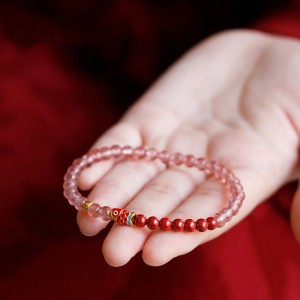
In the Five Elements system, red corresponds to Fire. It represents warmth, life, and active Yang qualities. During seasonal festivals such as Duanwu, red cord became a way to symbolically support vitality and mark the body as protected during a period of seasonal transition.
The wrist also carries symbolic importance. In traditional thinking, the wrist is a point of movement, contact, and circulation. Wearing red cord at the wrist became a way of expressing continuity, protection, and personal intention.
For readers interested in wearable red cord traditions, Six-Syllable Serenity Red String Bracelet is one modern example of how protective cord symbolism continues in jewelry form.
Why Duanwu Protection Matters in Modern Cities
Many people today live in dense urban environments such as Singapore, Hong Kong, Kuala Lumpur, New York, London, or Toronto. Life moves quickly, stress accumulates easily, and personal space can feel energetically crowded.
From a Taoist perspective, this does not require fear. It calls for balance.
Dragon Boat Festival protection traditions offer a seasonal reminder to pause, clean, reset, and reconnect with personal intention. Whether someone wears red cord, keeps a symbolic charm, lights incense, or simply reflects on the rhythm of the year, the deeper meaning is the same: restore harmony before imbalance grows.
Recommended Protection Pieces
These pieces connect naturally with the Dragon Boat Festival themes of cinnabar, red cord, seasonal renewal, and Taoist protection symbolism.
- Dawn Guardian Cinnabar Bracelet — A cinnabar bracelet connected with protection, clarity, and Taoist symbolic tradition.
- The Night Ward Cinnabar & Peach Wood Bracelet — A bracelet combining cinnabar and wood symbolism for traditional protection themes.
- Safe Passage Talisman Pouch — A compact talisman pouch for personal intention, travel, and symbolic protection.
- Six-Syllable Serenity Red String Bracelet — A red string bracelet connected with traditional protective cord symbolism.
Related Protection Collections
Continue Reading: Taoist Protection Deep Dives
- Taoist Protective Amulets & Talismans: A Complete Guide
- Spiritual Protection Mantra: Ward Off Evil
- The Logic of Taoist Evil-Warding
- Divinely Blessed Wood: Lei Ji Mu Guide
- Why Cinnabar Works for Warding Off Evil
FAQ
Is Dragon Boat Festival protection a Taoist practice?
Some Duanwu customs are folk practices, while others are interpreted through Taoist ideas such as Yin-Yang balance, seasonal Qi, and Five Elements theory. The tradition varies by region and family.
Why is the fifth lunar month called the Poison Month?
The name reflects traditional observations about heat, humidity, illness risk, insects, and seasonal instability. In Taoist interpretation, it became a time for purification and protection.
Why is cinnabar connected with protection?
Cinnabar is traditionally associated with Fire, Yang energy, purification, and Taoist ritual culture. Its meaning is symbolic and historical rather than a medical or guaranteed effect.
Why do people wear red cord during Duanwu?
Red cord symbolizes vitality, Yang energy, and protection in Chinese culture. During seasonal festivals, it marks renewal and personal intention.
Can modern people still use Dragon Boat Festival protection customs?
Yes. Many people today approach these customs as cultural practices for reflection, renewal, and connection with Taoist heritage, rather than as fixed religious requirements.
Reader Note
Seer articles explain Taoist symbolism, Chinese cultural traditions, and historical protection customs for general learning. They are not medical, financial, legal, or religious advice. Spiritual objects and cultural accessories are offered for personal intention, reflection, and appreciation of tradition.
Featured Image Prompt
Wide blog banner, Dragon Boat Festival in Taoist tradition, cinnabar bracelet and red cord bracelet on a dark wooden Taoist altar, warm golden sunlight, incense smoke, traditional Chinese seasonal ritual atmosphere, rich red and gold palette, premium editorial photography, shallow depth of field, no text, no Chinese characters, SEER TODAY logo reserved area, 1440x600.
Pinterest Package
- Pin 1 Title: Dragon Boat Festival Protection Traditions
Description: Discover how Taoist tradition explains Duanwu protection through Yang energy, cinnabar, red cord, and the Five Elements. - Pin 2 Title: Cinnabar and Red Cord Meaning
Description: Learn why cinnabar and red cord are connected with protection during the Dragon Boat Festival. - Pin 3 Title: Five Elements and Duanwu Protection
Description: Explore the Five Elements theory behind Dragon Boat Festival customs and Taoist seasonal protection.
Instagram Carousel
- Dragon Boat Festival Protection
- What Is Duanwu?
- Why the Fifth Lunar Month Matters
- Fire Element and Yang Energy
- Cinnabar Symbolism
- Red Cord Symbolism
- Learn More at Seer.Today
Instagram Caption: Dragon Boat Festival is more than zongzi and boat races. In Taoist tradition, Duanwu reflects seasonal Yang energy, Five Elements balance, and protective customs such as cinnabar and red cord. Learn the deeper cultural meaning at Seer.Today.
Hashtags: #DragonBoatFestival #Duanwu #TaoistCulture #TaoistProtection #CinnabarBracelet #RedStringBracelet #FiveElements #ChineseTradition #SpiritualProtection #SeerToday
YouTube Shorts Package
- Title: Why Taoists Wear Red Cord During Dragon Boat Festival
- Description: A 60-second explanation of Dragon Boat Festival protection, Yang energy, cinnabar, red cord, and Five Elements symbolism in Taoist tradition.
- Tags: dragon boat festival, duanwu, taoism, taoist protection, cinnabar, red cord, five elements, chinese culture
Shorts Script
Most people know Dragon Boat Festival for zongzi and boat races. But in Taoist tradition, Duanwu also marks a powerful seasonal turning point. The fifth lunar month is linked with strong Yang energy, heat, humidity, and the Fire element. That is why old customs used red cord, cinnabar, and purification practices to restore balance. Red cord symbolizes vitality and protection. Cinnabar represents purification and Yang energy in Taoist culture. Together, they remind us that protection is not fear. It is balance, renewal, and alignment with nature.
Claude Upload Checklist
- Paste the HTML body into the blog Content field.
- Set SEO URL to: dragon-boat-festival-taoist-protection-five-elements-cinnabar-red-cord
- Add Meta Title, Meta Description, Tags, Excerpt, and Homepage Excerpt from this package.
- Upload the featured image after generation.
- Verify all internal links return HTTP 200.
- Verify Article Schema and FAQPage Schema remain valid.
- Submit final URL to Google Search Console after publishing.
Leave a comment